Sunday, October 29, 2017

There’s NOTHING a Little Hot-Glue Can’t Fix


I’m not sure what teenage girls are supposed to do when they hang out, but yesterday I spent a few hours with Malavika fixing her basement ceiling. Her little brother managed to kick a soccer ball with enough force to somehow knock down ten ceiling tiles and bend all the frames that were holding them up. We’re definitely not the most qualified handymen, but we had to at least make it look presentable before she had guests over. Our first method was pretty by the book, just put the frames up and the tiles inside them like we’re supposed to. To our frustration, it turned out the frames were too jank to function properly and the entire system itself was pretty faulty to begin with. We’d pop one into place and then the rest of the row would dangerously come swinging down at our heads. Safety goggles and helmets definitely should have been involved in the process. After several failed attempts, it was time to get creative. Again, we’re teenage girls, we don’t know what we’re doing, our only experience comes from our equally as unsuccessful DIY experiments (cue frightening home-made bath bomb flashbacks). Therefore, our next move was to take down the frames and tiles and hot glue them together. Despite some critique from our “friends,” this tactic was not half bad. The frames and tiles held together all right, only problem was we put them up the wrong way and everything went downhill when we tried repositioning it. Since we considered the first attempt a partial success, we tried re-gluing and giving it another shot. This time, we knew how to position it correctly, but our patience had run out and we didn’t exactly wait for the glue to dry properly.


It was at this moment when I was ready to accept defeat; I really wanted to go home. I honestly don’t know why I didn’t leave. Maybe it’s just because I’m a great best friend, or I’m hoping to get that financial compensation from the mesothelioma I probably contracted, but I stayed. A few more failures later, we had picked off quite a bit of the remaining glue and decided to be a little less stupid. Since we’re both avid gardeners, all we had on hand was a ball of twine, but that proved to be all that was needed. The ceiling you see in the “after” picture is not really attached in the way its supposed to be. The frames are just hanging in their general spots by twine tied to planks of wood, vents, cables, or nails up above the ceiling. Did we care that the inside was trashy and covered in crusty glue and the tiles had her dog’s paw prints all over them? Of course not, as long as it looks somewhat decent on the outside it was good enough. This is where this experience reminded me of The Great Gatsby, which is one of the things we met to discuss in the first place. From its epigraph about winning a woman over with your “gold hat” to the superficial displays of wealth and intellect throughout the novel, the major role of perception is made evident. Gatsby is obsessed with showing off his wealth through his lavish parties, mansion, and belongings. All of this is to make others, especially Daisy,  perceive  him as wealthy. Tom’s reference to books, ones he claims are “scientific,” reveal his desire to be seen as intelligent. In the world of the upper-class that Nick is observing, perception is everything. The “fake it ‘til you make it” mentality Malavika and I had towards her ceiling was based on our desire to just make it look good enough on the outside. If the ceiling comes crashing down a month from now, who cares? It looked presentable while the guests were over, and that’s the key. The perception of the ceiling is all that matters, mirroring the mindset of the superficial elites The Great Gatsby brings to life.

Saturday, October 14, 2017

"me abt to do my makeup"


Last night I came across this meme. The first thought that came to mind was, Anja?! After what feels like weeks of often painfully detailed analysis of the graphic novel Maus, the memories are hard to erase. Every time I close my eyes I see stripes and flies. This inescapable memory of Spiegelman’s sketches aids in his emphasis on Vladek’s inability to move on from the horrors he experienced during the Holocaust. Maybe Spiegelman intentionally included so many subtle details throughout his panels in order for readers to over-analyze everything, thus imprinting his story in our minds the way the Holocaust is imprinted in his father’s. I’m not saying I did not like reading Maus, buuut I sure will be glad when we finally end this unit. It was obviously nowhere near as traumatic of an experience as the Holocaust or the suicide of a dearly loved one - there’s no comparison. However, my desire to turn these books in and never see them again really helps me understand why Vladek would want to destroy Anja’s notebooks. His memories are incomprehensibly horrific, and Art’s anger and insensitivity towards this seems really self-centered and hypocritical. He calls his father a “murderer” for destroying a useful resource for his book, while also trying to express the pain of the memories that incessantly haunt and torture Vladek (159). The man already cannot escape the mental images of his past, at least let him erase the physical reminders. That’s just what makes sense man.

Sunday, October 8, 2017

It's like ra-a-in

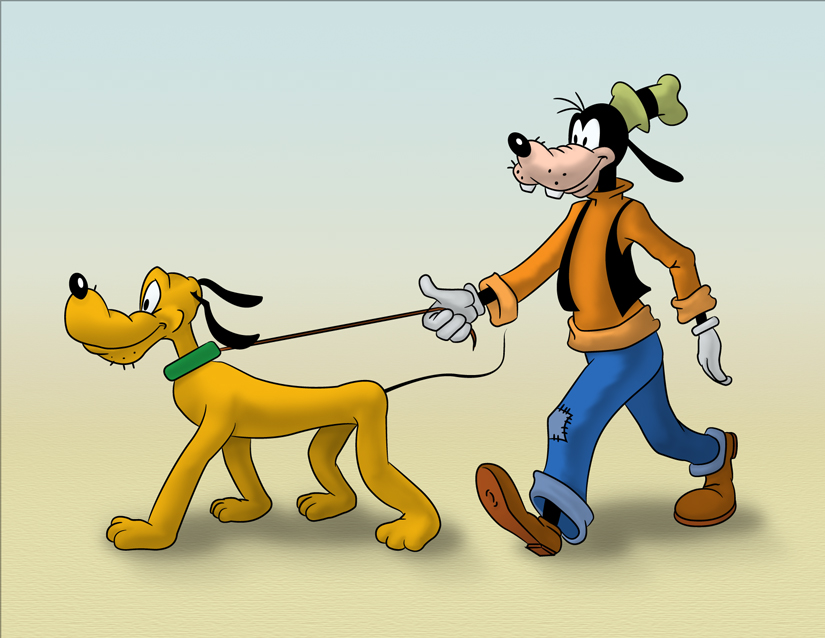
For a comic, Maus by Art Spiegelman sure isn’t very comedic. However, some scenes contain a bit of irony that could bring an almost-smile to the reader’s face. On page 147, Anja screams, “AIEEE!” because she spots a rat hiding in the cellar with them. Haha. This is one of those moments that makes you wonder, why is Pluto a pet but not Goofy? This Mickey Mouse connection is relatively insignificant at this point, but becomes prominent as Volume 2 opens with a quote about him ;).  Considering Art uses animals in the place of humans, specifically replacing Jews with mice, this is quite ironic. Anja and Vladek, being essentially the same animal as rats, and being scared and disgusted by them anyways does not make a lot of sense. This ridiculous and irrational fear is pretty symbolic of the view towards Jews during the Holocaust. As depicted a couple pages later, a young Polish boy yells, “Help! Mommy! A Jew!” (149). The similarities between his reaction to Vladek, and Anja’s reaction to the rat, demonstrate perhaps another reason for Art Spiegelman’s choice of mice as his representation of the Jews. The cat and mouse relationship is symbolic of the way Nazis tortured Jews before eventually killing them, much like a cat toying with its prey. However, aside from this, the mouse is a symbol of its own. Disregarding the whole cat aspect, mice are still seen as filthy rodents, evoking fear and disgust in humans. This view towards the rodents is a parallel to the view towards Jews. Furthermore, the seemingly hypocritical reaction of Anja towards the rat matches the superficial divisions between the Jews and the Polish. Seen several pages back, Vladek simply puts on a pig nose and is treated with respect (64). This is similar to Vladek telling Anja that the rat is just a mouse to reassure her. Are mice really that much better? Rodents are all just gross. However, this simple and slight change is enough to ease her nerves. A rat being called a mouse is as much of a fix as a mouse putting on a pig nose, it barely does anything. But people are so quick to reject anything slightly different, and quick to accept anything that is the same, that this change is all that is needed.

Sunday, October 1, 2017

February 19th ~ March 20th


Pisces: the fish; the twelfth and final sign of the zodiac; intuitive; dreamy; artistic; humane; sympathetic; sensitive; compassionate, compassionate, compassionate; impressionable; ruled by Neptune, the planet of dreams, psychic abilities, and confusion; perceptive; adaptable, open-minded; understanding; having a vaguely directionless, spacey manner; creative; deep thoughts; tuned into a higher purpose; dreams and ambitions transcend the individual; sensitive; retreat into a self-pitying world, finding pleasure and creative energy in sadness; the angsty poet or artist; and closely associated with escapism, through outlets such as artistic expression or substance abuse. With the astrological calendar starting at the newborn Aries, progression through the year ends with Pisces, representing the last stage of life - pre death. The wisdom, acquired knowledge, and experiences of all earlier signs cumulate into Pisces, making “the wise old fish” capable of understanding the world and its workings in a more complete and deeper way (Wallace 233). Pisces represents the highest level of compassion and intuition; possessing a unique view toward the surrounding environment; straying from the “self-centered” “default setting” and considering the perspectives of others (233). Although understanding the people around them, Pisceans can often be misunderstood themselves, becoming somewhat of an outsider. David Foster Wallace was born on February 21st, 1962. Spooky. The incorporation of distinctly Piscean ideals in his work, from the obvious reference to fish to the central focus on compassion, is quite interesting considering he is a Pisces himself. He attempts to promote the positive aspects associated with the fish, but his own life and suicide, which may seem hypocritical, serve to demonstrate the underlying negative Piscean traits of being a misunderstood outsider and needing an escape through drug use. Perhaps Wallace is not as big of a hypocrite as he may appear; perhaps his preachings do not exclude the misery of life as he claimed; perhaps they coincide with the misery. You can’t have the good without the bad.