It's like ra-a-in
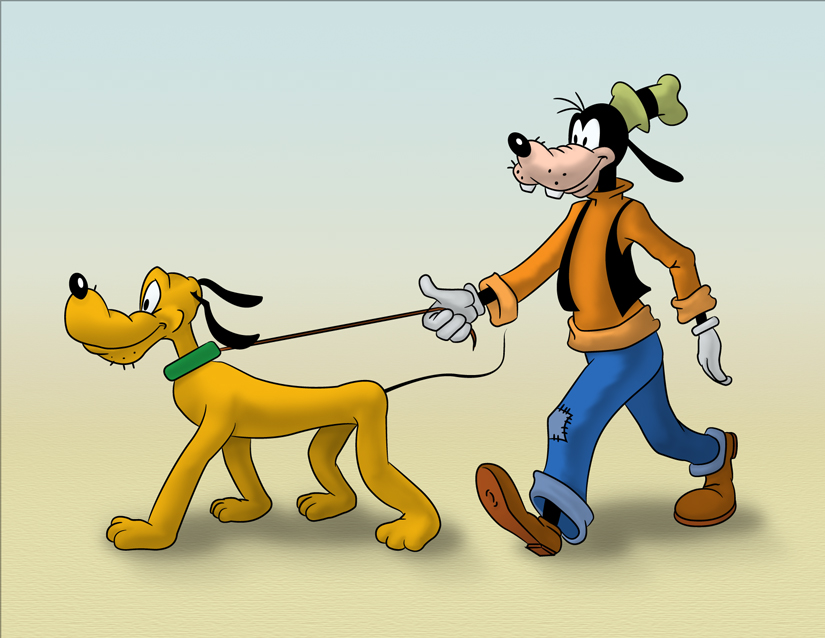
For a comic, Maus by Art Spiegelman sure isn’t very comedic. However, some scenes contain a bit of irony that could bring an almost-smile to the reader’s face. On page 147, Anja screams, “AIEEE!” because she spots a rat hiding in the cellar with them. Haha. This is one of those moments that makes you wonder, why is Pluto a pet but not Goofy? This Mickey Mouse connection is relatively insignificant at this point, but becomes prominent as Volume 2 opens with a quote about him ;). Considering Art uses animals in the place of humans, specifically replacing Jews with mice, this is quite ironic. Anja and Vladek, being essentially the same animal as rats, and being scared and disgusted by them anyways does not make a lot of sense. This ridiculous and irrational fear is pretty symbolic of the view towards Jews during the Holocaust. As depicted a couple pages later, a young Polish boy yells, “Help! Mommy! A Jew!” (149). The similarities between his reaction to Vladek, and Anja’s reaction to the rat, demonstrate perhaps another reason for Art Spiegelman’s choice of mice as his representation of the Jews. The cat and mouse relationship is symbolic of the way Nazis tortured Jews before eventually killing them, much like a cat toying with its prey. However, aside from this, the mouse is a symbol of its own. Disregarding the whole cat aspect, mice are still seen as filthy rodents, evoking fear and disgust in humans. This view towards the rodents is a parallel to the view towards Jews. Furthermore, the seemingly hypocritical reaction of Anja towards the rat matches the superficial divisions between the Jews and the Polish. Seen several pages back, Vladek simply puts on a pig nose and is treated with respect (64). This is similar to Vladek telling Anja that the rat is just a mouse to reassure her. Are mice really that much better? Rodents are all just gross. However, this simple and slight change is enough to ease her nerves. A rat being called a mouse is as much of a fix as a mouse putting on a pig nose, it barely does anything. But people are so quick to reject anything slightly different, and quick to accept anything that is the same, that this change is all that is needed.

I liked your analysis! I like the amount of outside knowledge you brought into your essay, it helps to make it more interesting to read. Great job!
ReplyDeleteI was also wondering the symbolism between Anja getting afraid of the rat. It's interesting the connection you made between her fear and the children's fear of Vladek. Great job!
ReplyDelete